
Understanding Bluffing in Poker
Bluffing is a fundamental strategy in poker that allows players to gain an advantage over their opponents by making them believe they hold a stronger hand than they actually do. This art requires an in-depth understanding of both the game and human psychology. For those exploring the world of online gaming, a key aspect to consider is whether the platform offers a fast withdrawal casino uk , as this can enhance the overall experience. By making a calculated decision to represent a strong hand, players can manipulate their adversaries into folding better hands, ultimately allowing them to win pots without having the best cards. The ability to bluff successfully hinges on timing, observation, and an understanding of the table dynamics.
A successful bluff often relies on the context of the game. For instance, if a player consistently bets aggressively, their opponents may become wary and hesitate to challenge that player, fearing that they are confident in their cards. This psychological element plays a crucial role; therefore, understanding how your actions translate to your opponents’ perceptions can greatly enhance your bluffing strategy. If you can gauge when your opponents are likely to fold based on their reactions, you’ve unlocked an essential aspect of successful bluffing.
Moreover, it is important to differentiate between strategic bluffing and reckless gambling. Players should avoid overusing bluffs, as this can lead to a lack of credibility at the table. If players are known for bluffing frequently, their opponents will catch on, making it increasingly difficult to execute successful bluffs. Mastering the timing, frequency, and subtlety of bluffing is essential to truly master the art in poker and can set apart regular players from the pros.
Reading Your Opponents
One of the cornerstones of effective bluffing is the ability to read your opponents accurately. This skill involves assessing not only their betting patterns but also their body language and reactions to various situations at the table. For example, whether they tend to fidget, maintain eye contact, or exhibit nervous habits can provide invaluable clues about the strength of their hands. Observing these traits can help you craft a strategy that capitalizes on their weaknesses, allowing you to formulate your bluffs more effectively.
In addition to non-verbal cues, listening to the dialogue at the poker table can also reveal critical insights. Some players may inadvertently disclose their thoughts about the game or their hands during discussions, presenting opportunities for the keen observer. By gathering these details, you can develop a deeper understanding of your opponents’ tendencies, making it easier to identify the right moments to execute a successful bluff.
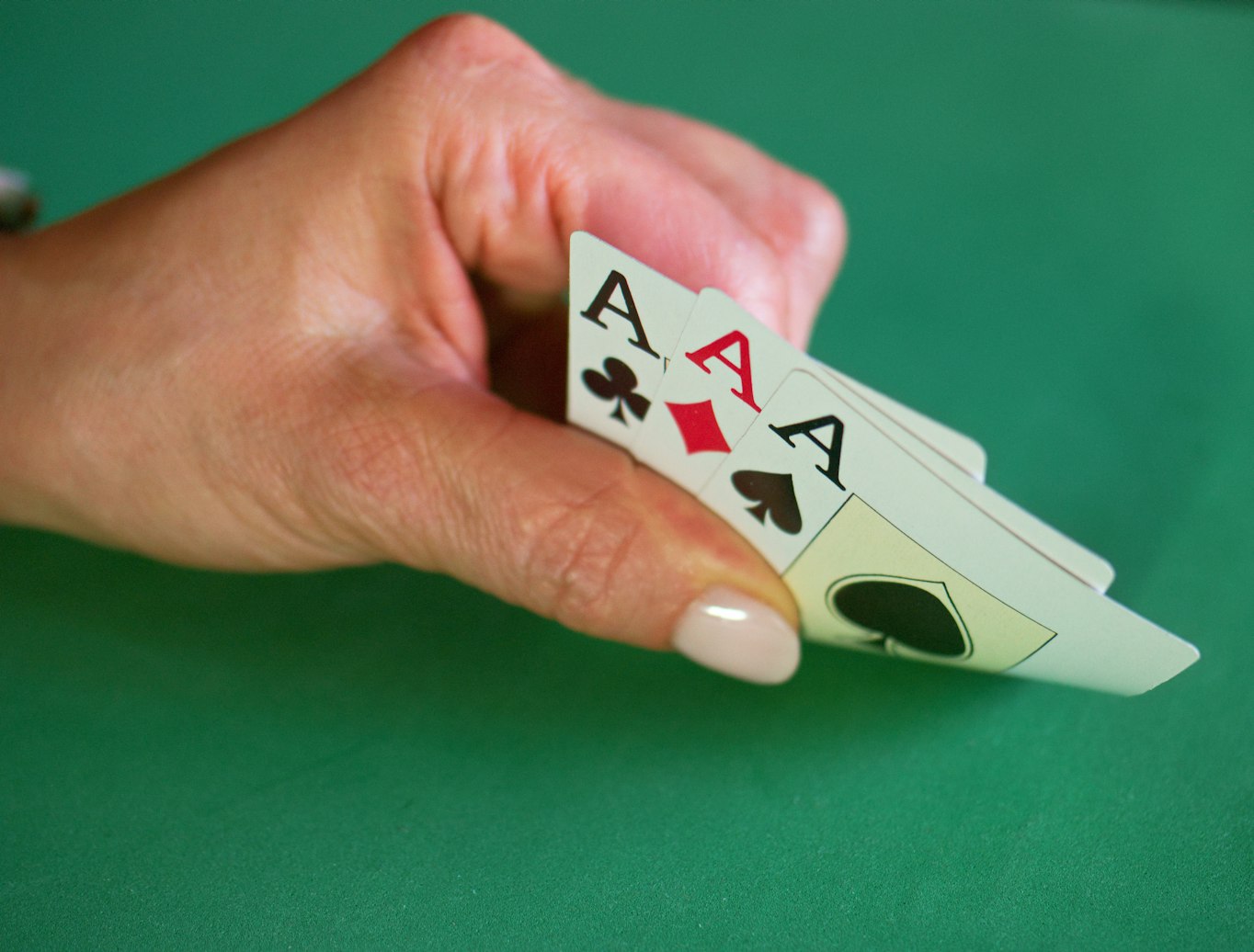
It’s also beneficial to keep track of your opponents’ previous hands and styles of play. If you notice a player frequently adopts a conservative approach, they may be more unwilling to fold their strong hands, making them less susceptible to bluffing attempts. Conversely, a bold player known for aggressive strategies may be more likely to fold in certain situations if they sense weakness. Adapting your bluffing approach based on these variables can significantly increase your chances of success.
Key Techniques for Successful Bluffing
There are several key techniques that can enhance your bluffing effectiveness in poker. One effective strategy is the semi-bluff, which involves betting or raising with a draw that could potentially improve your hand. This approach provides a dual chance: if your opponents fold, you win the pot; if they call, you still have the opportunity to complete your hand. This tactic demonstrates that bluffing doesn’t always require an absolute lack of strength; instead, it can be combined with a plausible possibility of improvement.
Another essential technique is the continuation bet, which occurs when a player raises before the flop and then continues to bet after the flop, regardless of whether the flop has improved their hand. This strategy can create the illusion of a strong hand, as pre-flop aggressors often maintain their momentum post-flop. However, it is essential to consider the texture of the board; for example, if the community cards are coordinated and draw-heavy, an opponent may be more likely to challenge your bet. Understanding the board dynamics is crucial in optimizing this and other bluffing strategies.
Finally, the concept of “table image” cannot be overlooked. Your reputation at the table can significantly affect how others perceive your bluffs. If you have established yourself as a tight and cautious player, your bluffs may carry more weight because your opponents are less likely to expect you to gamble without a strong hand. Conversely, if you have been consistently aggressive, your bluffs might be met with skepticism. Cultivating a balanced table image helps ensure that your bluffs remain credible and effective.
When to Bluff and When Not To
Knowing when to bluff and when to hold back is a crucial component of successful poker strategy. Timing plays a vital role; a well-timed bluff can be a game-changer, while executing it at the wrong moment can lead to significant losses. Generally, bluffing is more effective when the board presents few opportunities for opponents to have strong hands. For instance, if the community cards are low and uncoordinated, the likelihood of your opponents holding strong hands diminishes, making it an opportune time to bluff.

The dynamics of the game situation should also guide your decision to bluff. In tournaments, players may be more inclined to take risks to build their chip stacks, leading to more frequent bluffing opportunities. Conversely, in cash games, players might be more conservative as they are playing with their own money. Understanding how the stakes influence player behavior can help you determine the appropriate moments to implement your bluffing strategy.
Additionally, knowing your own playing style is essential when deciding on bluffing. If you are generally viewed as a tight player, your bluffs may carry more weight. Conversely, if you have been playing aggressively, opponents might be more inclined to call your bets. Carefully assessing the atmosphere of the game and your image can determine whether a bluff is likely to succeed or fail, ultimately shaping your approach during crucial hands.
Enhancing Your Poker Skills Through Resources
To master the art of bluffing in poker, continuous learning and practice are essential. Various resources are available to enhance your skills, including books, online courses, and poker forums that encourage exchanging ideas and experiences. Engaging with materials that dissect professional players’ strategies can offer insights that can be applied to your game. Understanding the nuances of bluffing from seasoned players can help accelerate your learning curve.
Additionally, many online poker platforms provide opportunities to practice bluffing strategies in low-stakes games. These environments allow players to experiment with their techniques without the risk of significant financial loss. By immersing yourself in various poker scenarios, you can refine your ability to read opponents and develop a keen sense of when to bluff or fold.
Finally, joining local poker leagues or clubs can foster a community of like-minded individuals who share a passion for the game. Networking with fellow players can lead to discussions that deepen your understanding of bluffing and other strategic elements. Learning from others’ successes and failures can provide valuable lessons that enrich your poker experience and enhance your bluffing skills.